The Beginner’s Guide to Green Cleaning: 5 Simple & Safe Swaps
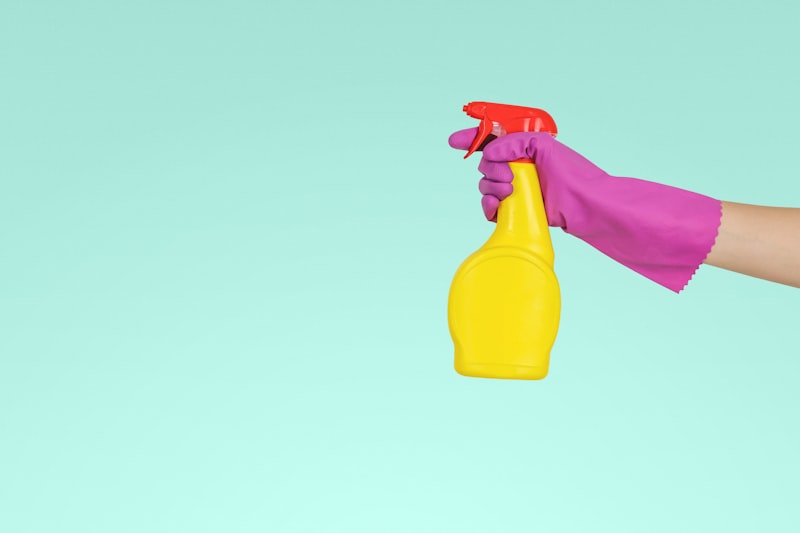
When we think about air pollution, we usually picture factory smoke or car exhaust. However, some of the most harmful pollutants we encounter daily are actually indoors, originating right under our kitchen sinks. Conventional household cleaners are often packed with harsh chemicals, synthetic fragrances, and volatile organic compounds (VOCs) that irritate our lungs and skin.
To make matters worse, these products almost always come in single-use plastic spray bottles that end up in landfills, while their chemical residues wash down our drains, polluting local waterways and aquatic life.
The truth is, you do not need highly specialized, toxic chemicals to keep your home sparkling clean. Here are five incredibly simple, non-toxic swaps that will help you transition to a safer, eco-friendly "green cleaning" routine.
1. Swap Chemical Sprays for an All-Purpose Vinegar Spray
Instead of buying separate plastic spray bottles for your windows, countertops, and bathroom tiles, you can easily make a highly effective all-purpose cleaner at home using just two ingredients: white vinegar and water.
Vinegar is naturally acidic, making it an excellent disinfectant that cuts through grease, grime, and hard water stains with ease. Simply mix equal parts water and white vinegar in a reusable spray bottle. If you dislike the temporary vinegar smell, drop a few citrus peels (like lemon or orange) into the mixture and let it steep for a week before use. It will leave behind a refreshing, purely natural scent!
2. Replace Toxic Scouring Powders with Baking Soda
Getting rid of stubborn grease in your oven, soap scum in your bathtub, or stains in your kitchen sink usually requires some heavy-duty scrubbing. Commercial abrasive cleaners often rely on chlorine bleach and synthetic silica, which can scratch delicate surfaces and release harsh fumes.
Enter baking soda—the ultimate eco-friendly multi-tasker. Baking soda is a mild alkali and a gentle abrasive. Sprinkle it directly onto damp surfaces, or mix it with a tiny bit of water to form a thick paste. Scrub with a brush or cloth, and watch grime dissolve naturally without scratching your fixtures or harming your hands.
3. Ditch Synthetic Fragrances for Essential Oils
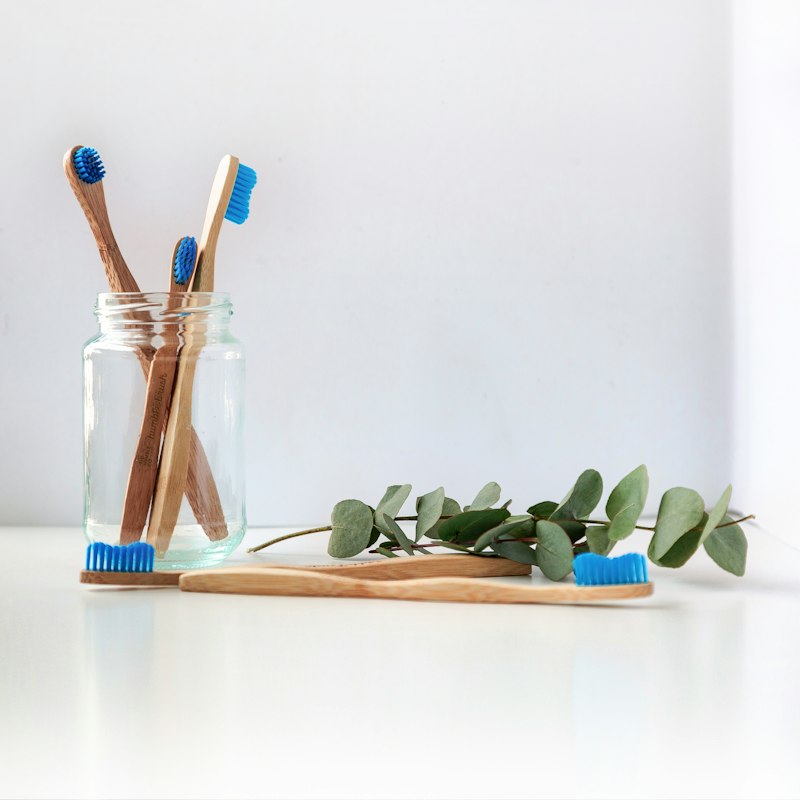
That strong, chemically engineered "pine forest" or "fresh linen" scent from commercial air fresheners is often a cocktail of phthalates—chemicals known to disrupt hormones. True cleanliness does not have a heavy chemical smell; in fact, the healthiest air is completely odorless.
If you love a fragrant home, swap out aerosol sprays and plug-in air fresheners for natural alternatives:
- Essential Oil Diffusers: Use pure plant-derived essential oils like eucalyptus, lavender, or tea tree oil, which also possess natural antibacterial properties.
- DIY Simmer Pots: Simmer a pot of water on your stove with citrus slices, rosemary sprigs, and a cinnamon stick. It makes your entire house smell incredibly warm and inviting.
4. Transition to Refillable Amber Glass Bottles
Instead of buying new plastic spray bottles every time you run out of cleaner, invest in a few high-quality amber glass spray bottles. Amber glass protects natural ingredients (and essential oils) from light degradation, keeping your DIY formulas potent.
If making your own cleaners feels like too much work, many modern, eco-conscious brands now sell concentrated cleaning tablets. You simply drop one tablet into your glass bottle filled with warm tap water, and it dissolves to create a full bottle of soap. This system cuts out plastic waste and eliminates shipping heavy water across the country!
5. Swap Single-Use Wipes for Washable Microfiber or Cotton
Disposable disinfectant wipes are incredibly popular for quick touch-ups, but they are made from synthetic polyester fibers that do not biodegrade. Since they are pre-soaked in chemicals, they cannot be composted or recycled, creating a massive pile-up of plastic-based trash.
A much better alternative is using microfiber cloths or reusable cotton rags (made from old clothes or towels). Microfiber is structurally designed to trap dust, bacteria, and allergens with just water or a light spray of vinegar. Simply wash them in a mesh bag, air dry, and reuse them hundreds of times.
Clean Home, Clean Mind
Green cleaning is a beautiful reminder that nature often has the best answers. By taking a few minutes to mix your own vinegar spray or using baking soda to scrub your tub, you create a home environment that is genuinely clean—free of plastic waste, toxins, and artificial fragrances.
Don't worry about converting everything at once. The next time you finish a bottle of store-bought window cleaner, keep the bottle (or grab a glass one) and try the vinegar-water mix. Your wallet, your lungs, and our planet will thank you.


Comments
Post a Comment