A Beginner’s Guide to Sustainable Eating: 5 Simple Habits
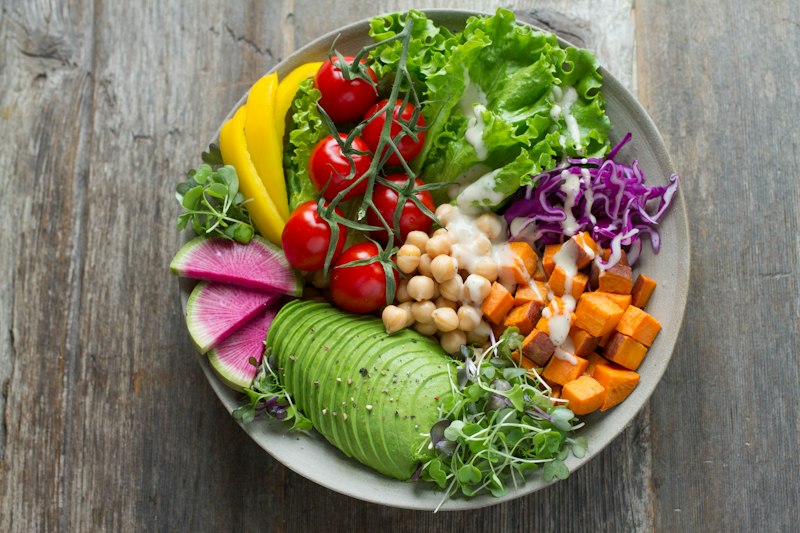
When we discuss reducing our environmental impact, we often talk about driving less, turning off lights, or recycling plastic. But one of the most powerful tools for fighting climate change is sitting right on your dinner plate. The global food system—encompassing agriculture, livestock, transportation, and packaging—is responsible for more than a quarter of all global greenhouse gas emissions.
Transitioning to a "sustainable diet" does not mean you have to become a strict vegan overnight or compromise on flavor. Instead, it is about developing a more mindful, respectful relationship with the food you consume and understanding where it comes from.
Here is a beginner-friendly guide to five simple, delicious habits that will help you eat more sustainably while boosting your personal health.
1. Embrace "Meatless Mondays" (Eat More Plants)
Raising livestock for meat and dairy requires vast amounts of land, water, and feed, and it generates significantly more greenhouse gases than growing crops. For instance, producing a kilogram of beef emits up to 30 times more greenhouse gases than producing a kilogram of tofu or beans.
You do not have to give up meat entirely to make a difference. Simply participating in "Meatless Mondays"—committing to eating plant-based meals just one day a week—can save thousands of gallons of water and drastically lower your personal carbon footprint over a year. Plus, it is a fun excuse to experiment with hearty plant proteins like lentils, chickpeas, and tempeh.
2. Choose Local and Seasonal Produce
In our globalized world, we can buy strawberries in the winter and pumpkins in the spring. However, this convenience comes at a high environmental cost. Out-of-season produce is often flown in from thousands of miles away or grown in energy-intensive, heated greenhouses.
By prioritizing local and seasonal foods, you significantly reduce "food miles"—the distance your food travels from farm to plate. Local foods are harvested at peak ripeness, meaning they are packed with more nutrients, taste noticeably better, and support organic farmers in your own community.

3. Say No to Over-Packaged Foods
Next time you walk down the grocery store aisles, look at the sheer volume of plastic packaging. Pre-cut fruits in plastic cups, individually wrapped potatoes, and processed meals in multi-layered plastic trays dominate the shelves.
Try to buy whole foods instead. Choose loose fruits and vegetables and put them into reusable mesh produce bags. Buying whole ingredients instead of pre-packaged, processed items is almost always cheaper, healthier, and generates zero synthetic trash.
4. Start a Windowsill Herb Garden
Have you ever bought a plastic clam-shell package of fresh basil or rosemary, used three leaves, and watched the rest turn to slime in your fridge drawer? This is a common and frustrating form of kitchen waste.
You do not need a massive backyard to grow your own food. A small windowsill herb garden is incredibly easy to manage. Growing basil, mint, parsley, or green onions at home means you always have fresh herbs on hand with absolutely zero packaging waste. Plus, caring for green plants is proven to boost mental clarity and lower stress!
5. Look for Ethical and Organic Certifications
When buying items that cannot be sourced locally (like coffee, chocolate, or bananas), learn to read the labels to make the most ethical and ecological choice:
- Organic: Ensures the food was grown without synthetic chemical pesticides or artificial fertilizers, preserving soil health and biodiversity.
- Fair Trade: Guarantees that the farmers and laborers who produced the crop were paid a fair wage and worked in safe conditions.
- Shade-Grown / Bird-Friendly: Highly relevant for coffee, indicating that the crop was grown under a canopy of trees, protecting natural rainforest habitats.
Savor Every Sustainable Bite
Eating sustainably is not about restriction or feeling guilty about your food choices. It is a celebration of fresh, whole foods that nourish your body while respecting the ecosystems that produced them.
Start small: try making tonight’s dinner plant-based, or check if there is a farmer's market in your area this weekend. Every green food choice you make ripples outward, contributing to a cleaner, healthier, and more resilient planet.


Comments
Post a Comment